SAS Acoustics is a technology company that happens to make monitors. Every product starts as an engineering problem, gets solved inside a working Grammy-caliber studio, and only ships once it disappears into the mix.

Every technology starts with a specific problem hit in a real mix session.
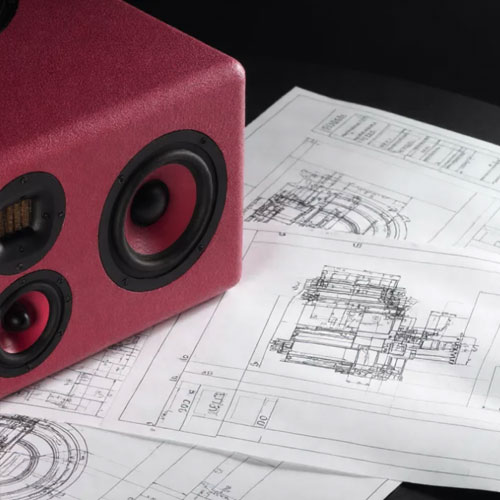
Bench-tested against strict measurement targets before it's allowed anywhere near a speaker.
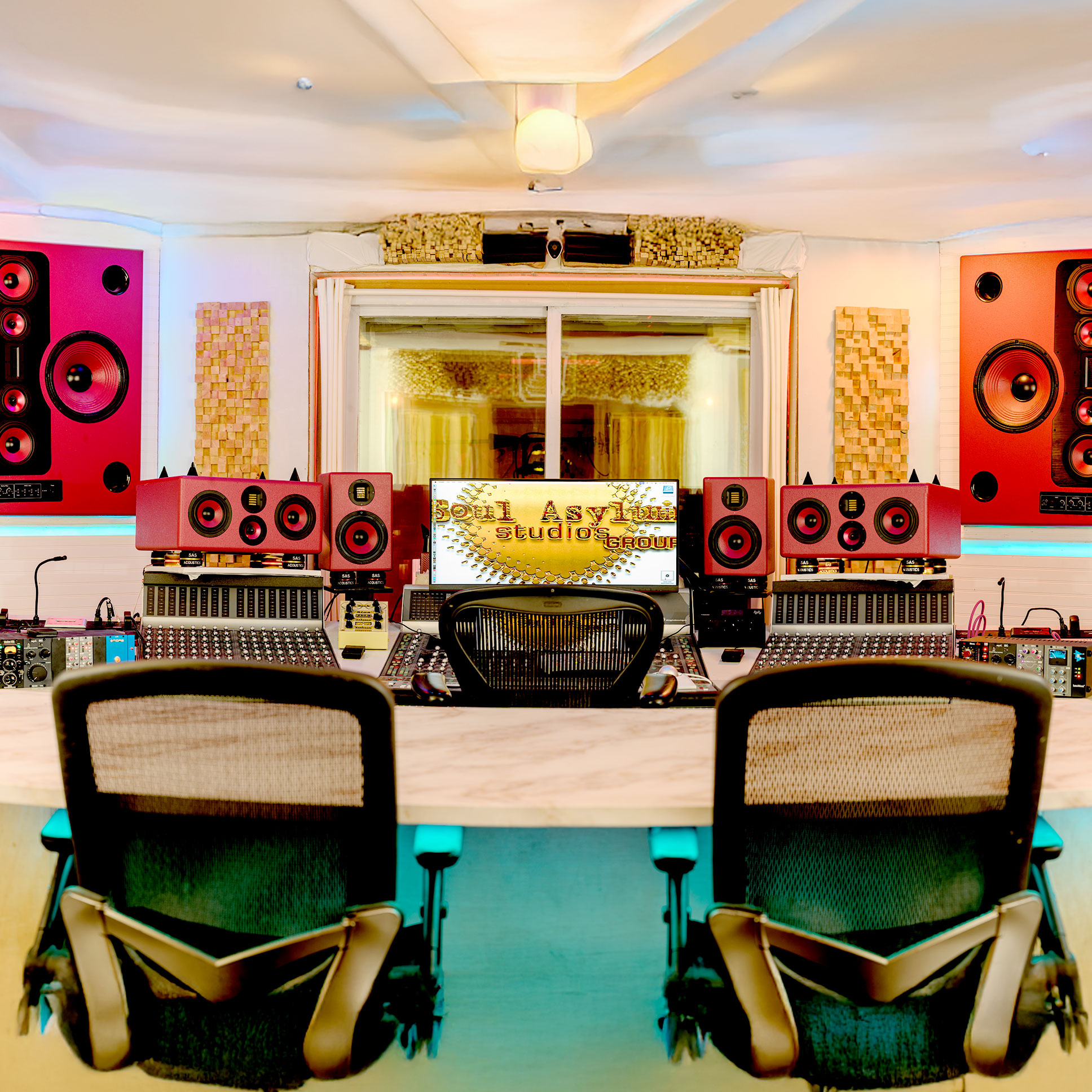
Tested on real client sessions inside Soul Asylum Studios, sometimes for two years straight.

Once it passes, it's precision-manufactured and QC'd in-house before it ships.
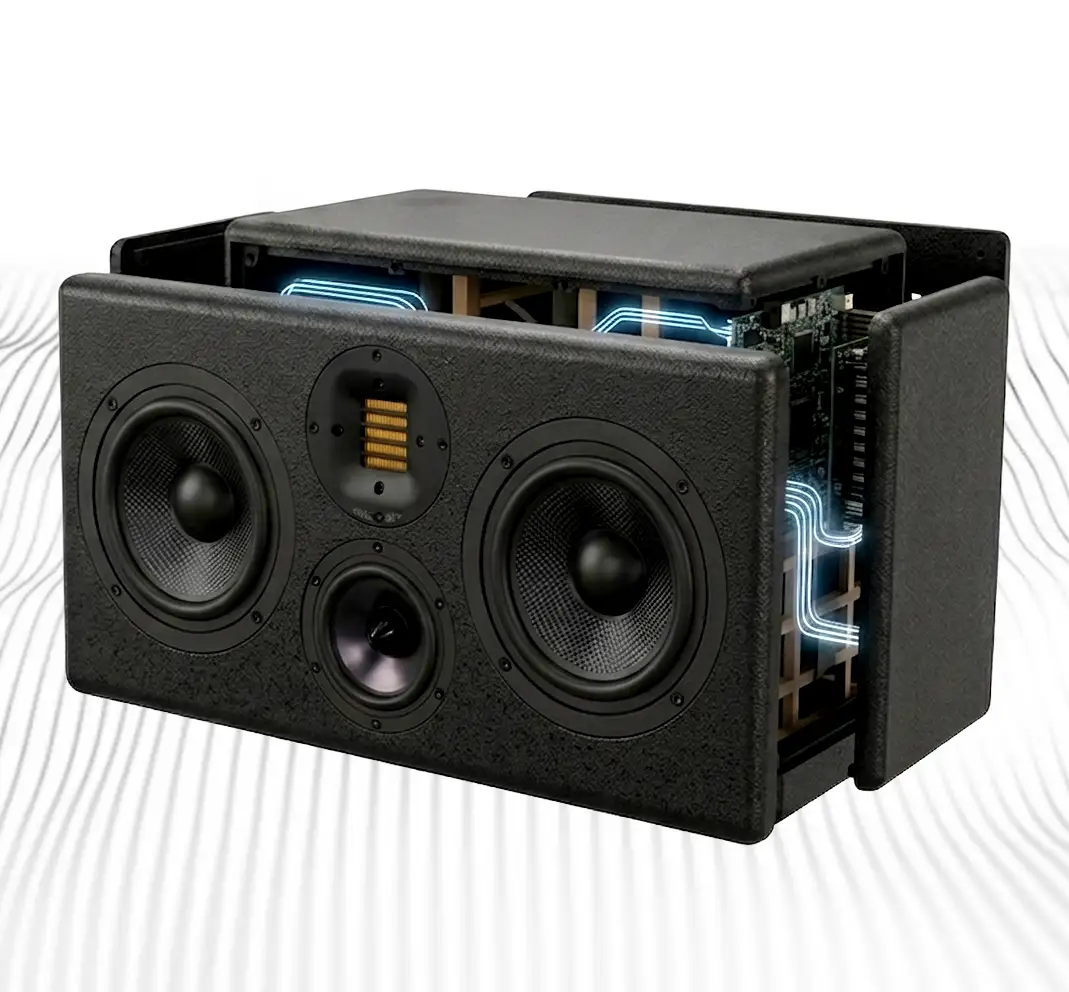
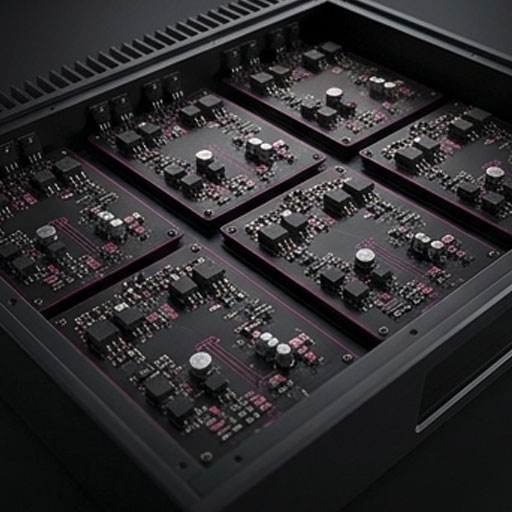
Instead of one or two amplifiers pushed to cover an entire frequency range, SAS monitors split the signal into up to six independently amplified bands - subwoofers, woofers, midranges, and tweeter each get their own dedicated power.
The result is headroom that doesn't disappear at the moments a mix needs it most, and a frequency response that stays flat under real-world monitoring levels, not just on a bench test.
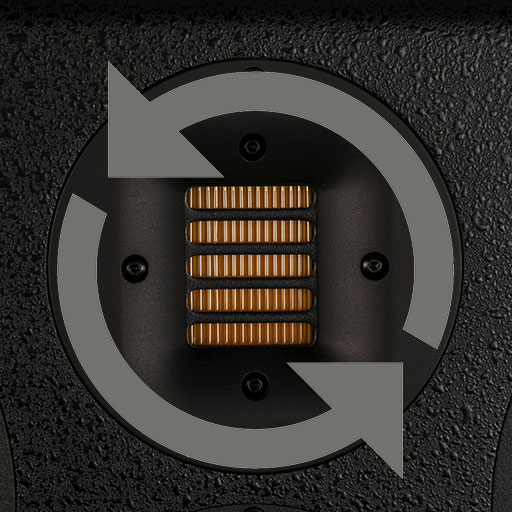
Air Motion Transformer technology uses a folded diaphragm to move air rapidly and efficiently, providing exceptional transient detail, low moving mass, and extended high-frequency response.
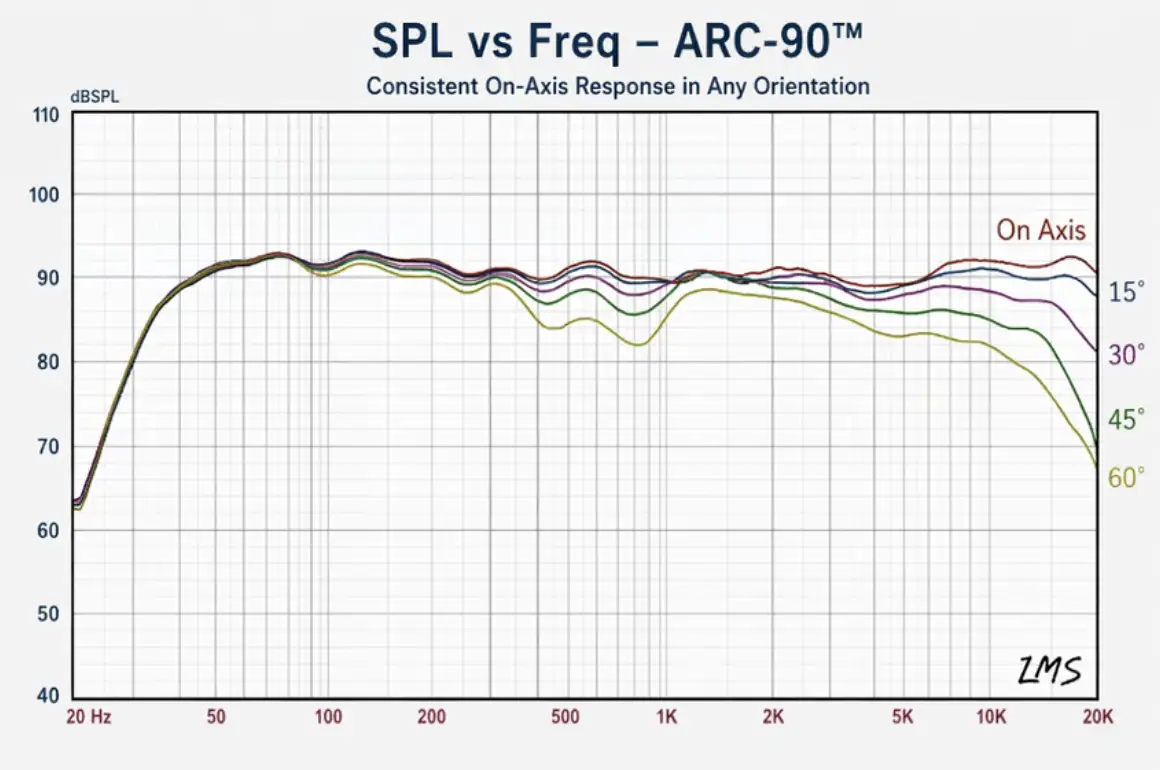
ARC-90™ Axial Rotation Control takes that architecture further with a rotatable 90° high-frequency assembly.When an SAS monitor is changed from horizontal to vertical orientation, the ARC-90™ can be rotated to maintain the AMT’s intended dispersion pattern relative to the listening position.
That means engineers can choose the monitor orientation that best fits the room, console, meter bridge, or workstation while maintaining consistent high-frequency coverage and imaging.
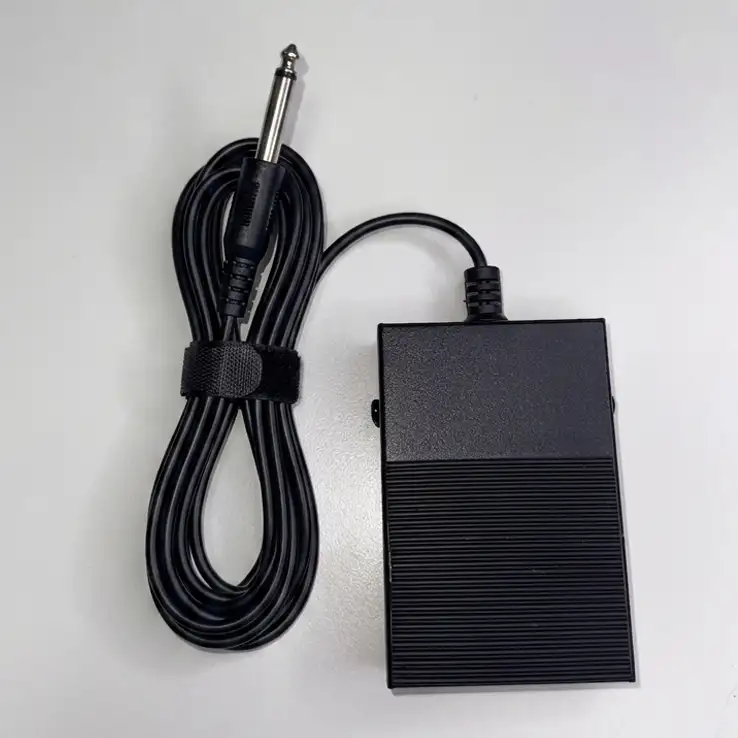
ALFM™ isn’t a bass boost, bass cut, or simple subwoofer mute. It’s a footswitch-controlled DSP architecture that reconfigures the low-frequency roles of the SA25M™ drivers in real time.
In full-range mode, the dual 10-inch subwoofers reproduce the deepest low-frequency information, providing the extension and physical energy that allows you to hear and feel the low end.
Engage ALFM™, and the DSP mutes the dual 10-inch subwoofers while reprogramming the dual 5.25-inch woofers to reproduce the low-frequency information. You continue to hear the bass information while dramatically reducing the physical sub-bass energy exciting the room.
Feel the low end when you need to. Hear it when you don’t.Two low-frequency perspectives. One monitoring system.
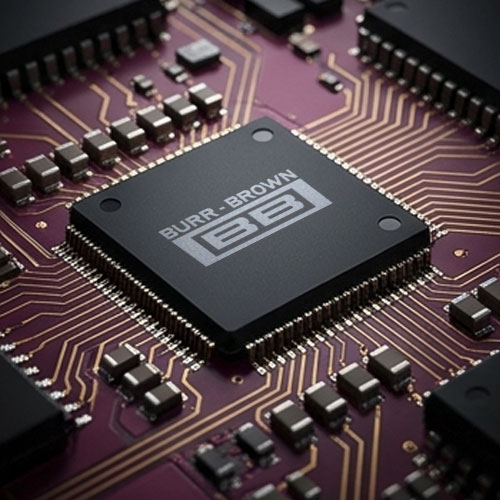
Every digital signal passing through an SAS monitor runs through reference-grade Burr-Brown™ conversion — the same standard of conversion engineers expect from mastering-grade converters, not consumer-grade monitor electronics.
Resolution captured in the DAW stays resolution at the driver. Nothing gets softened, smeared, or rounded off along the way.
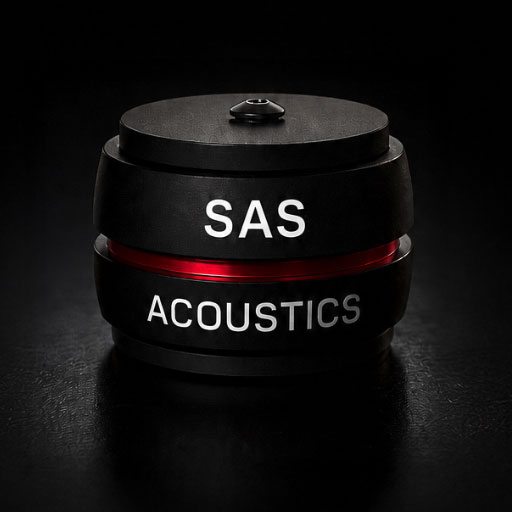
Most isolation products absorb vibration passively and call it a day. SAS's Dynamic Mechanical Processing™ — first shipped in the DMP75™ — actively manages the mechanical relationship between a monitor, its stand, and the room, across a broadband range starting at 10Hz.
It's the same systems-thinking approach behind every SAS product: the electronics only matter if the mechanical path they travel through is under control too.
Available only on the SA25M_8 (soon on the SA25M), the Intelligent Smart Sleep™ powers down automatically during silence and wakes instantly the moment signal returns — no popping, no delay, no missed downbeat.
Underneath it, advanced over-current, over-voltage, thermal, and RF protection keep every unit running safely through long sessions and heavy monitoring levels.
Reference-grade Burr-Brown conversion protects resolution the moment it leaves your DAW. ALFM and Hex-Amplified Architecture™ manage the signal in real time. ARC-90 and the full driver array translate it accurately into the room. Dynamic Mechanical Processing™ keeps the mechanical path from adding anything the electronics didn't put there.
Nothing in between is left to chance.
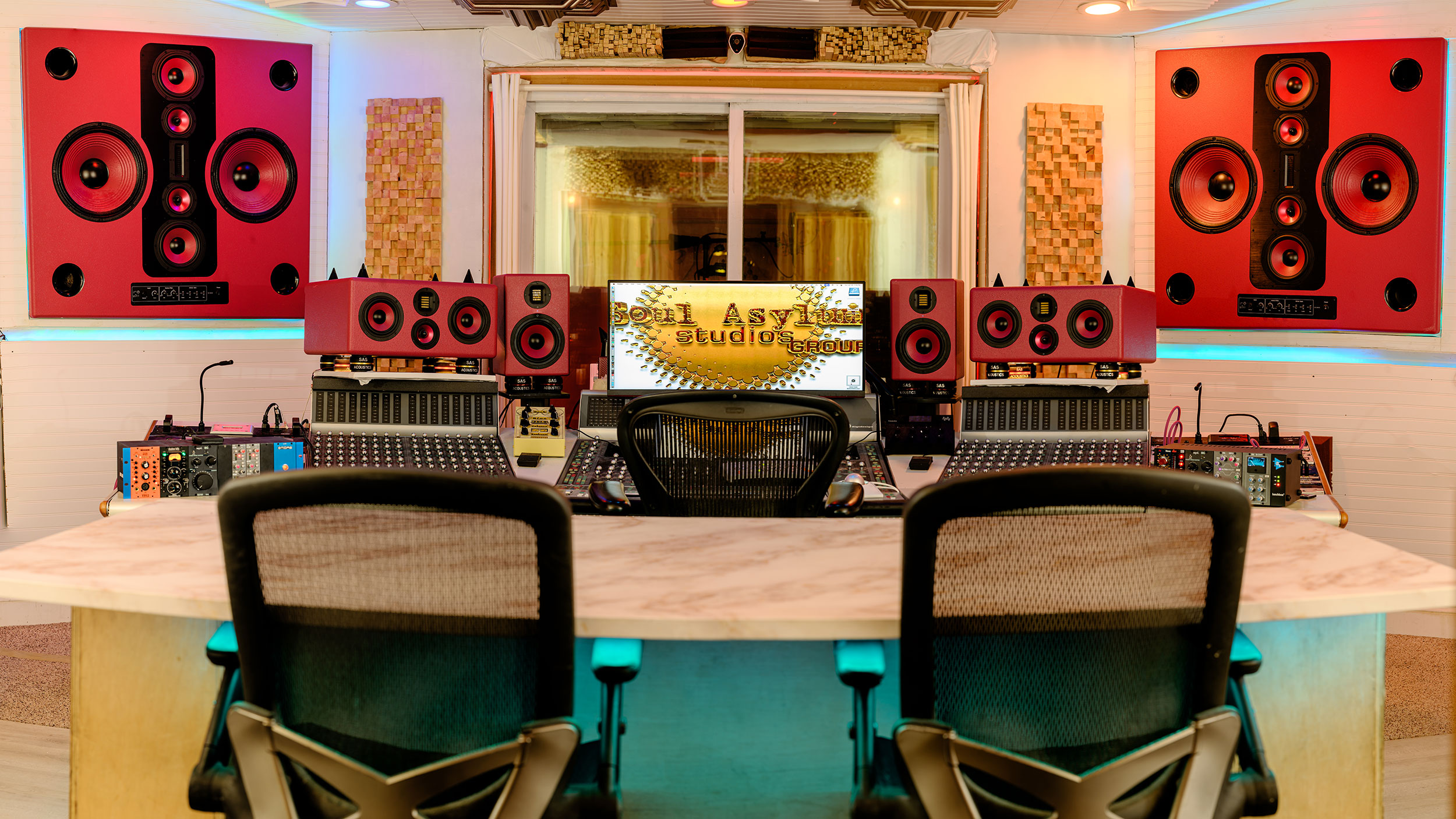


Rafael Capone spent three decades mixing Grammy-winning records before he ever set out to build hardware. SAS Acoustics exists because the tools on the market kept lying to him — flattering mixes instead of revealing the truth in them.
That's the filter every SAS technology has to pass: does it get closer to the truth of the signal, or does it just look impressive on a spec sheet? Hex-Amplified Architecture, ARC-90, and ALFM all exist because the alternative wasn't good enough for his own sessions.
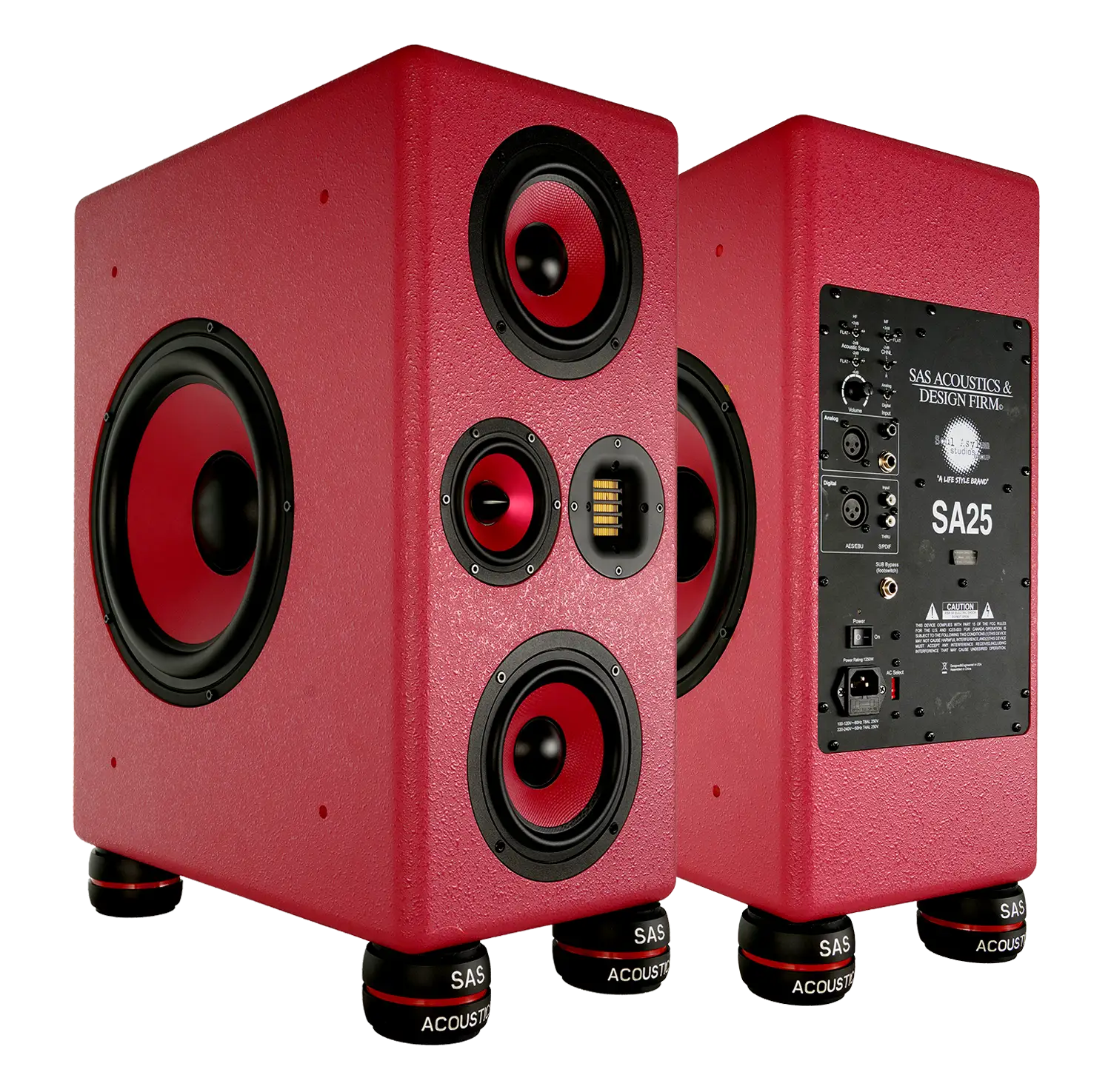
Hex-Amplified Architecture
ARC-90 HF driver
ALFM low-frequency management
Burr-Brown AD/DA conversion
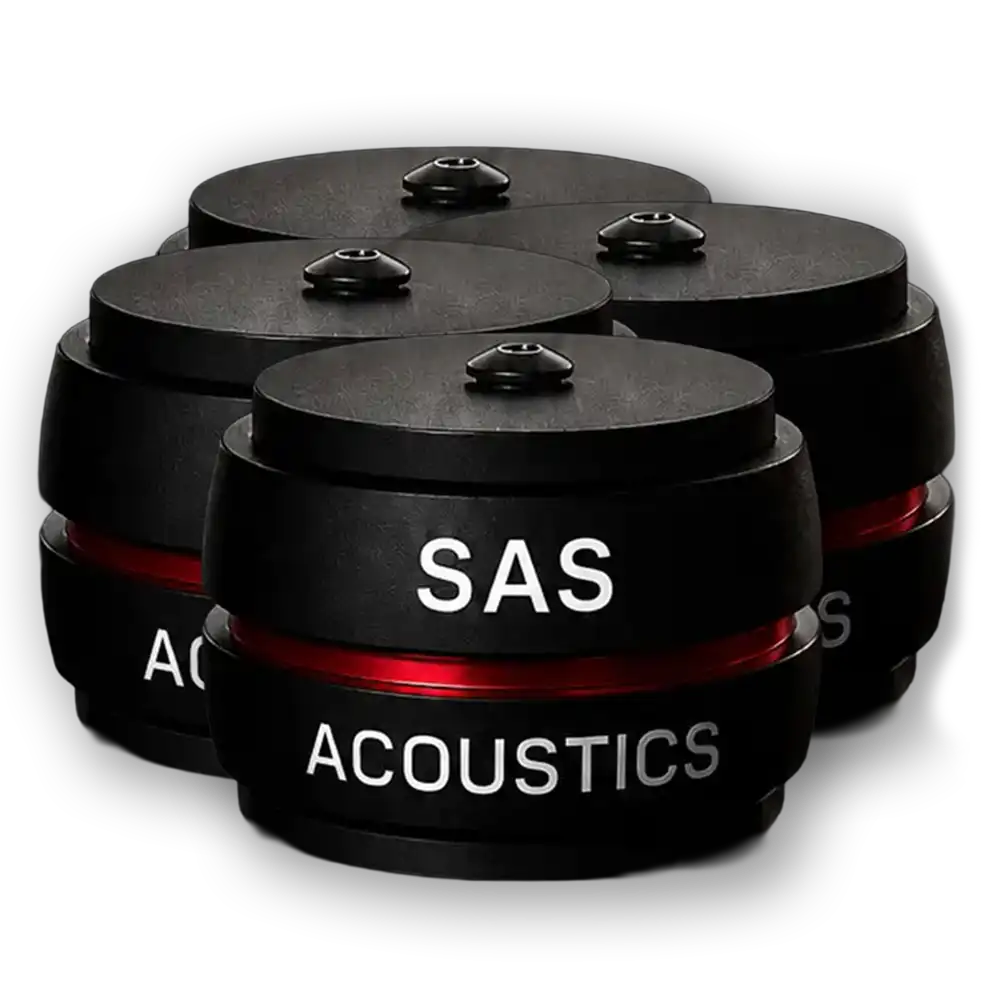
Dynamic Mechanical Processing
Precision CNC-machined composite
Broadband, 10Hz and up
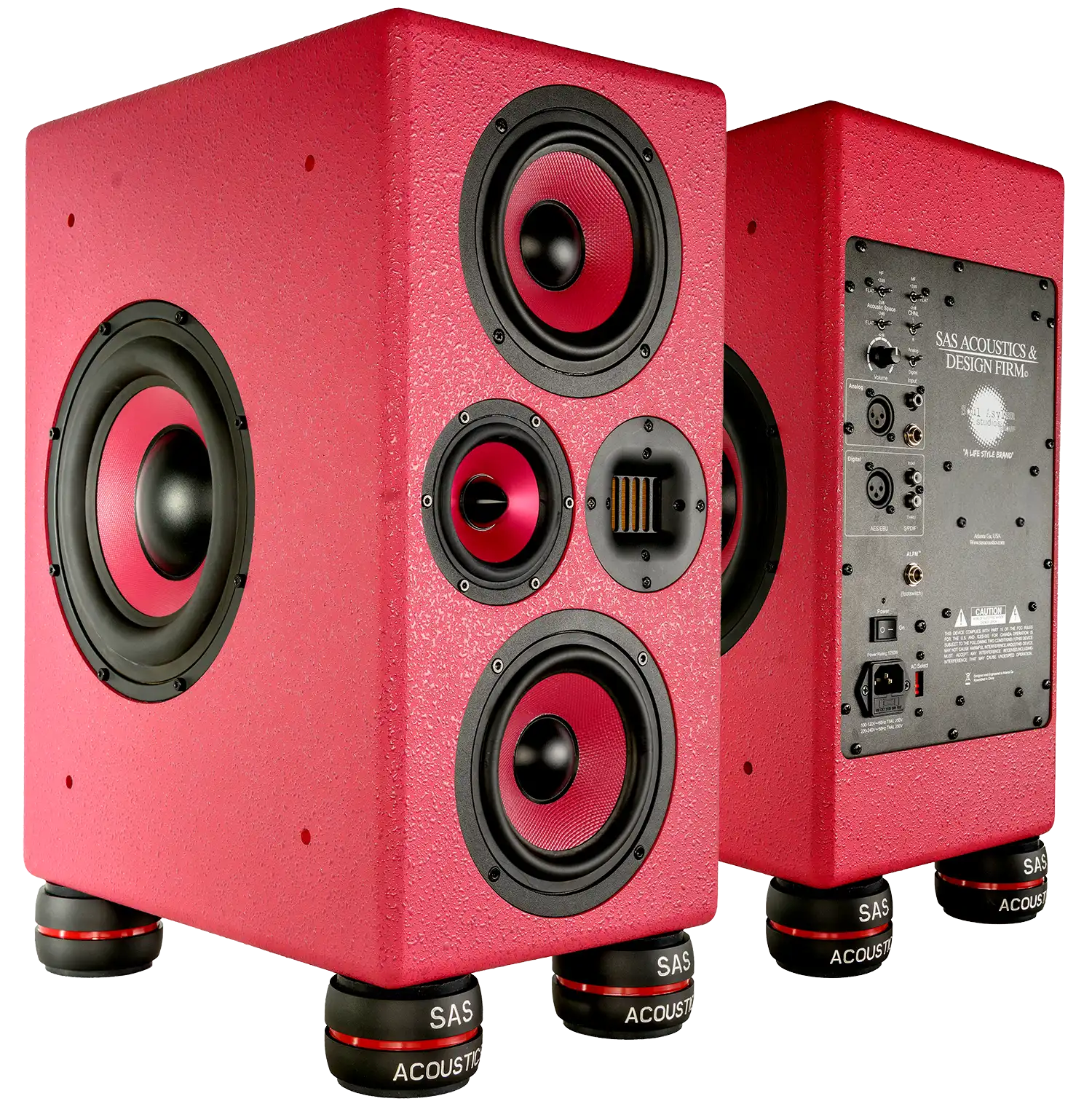
Hex-Amplified Architecture
ARC-90 HF driver
ALFM low-frequency management
Burr-Brown AD/DA conversion